

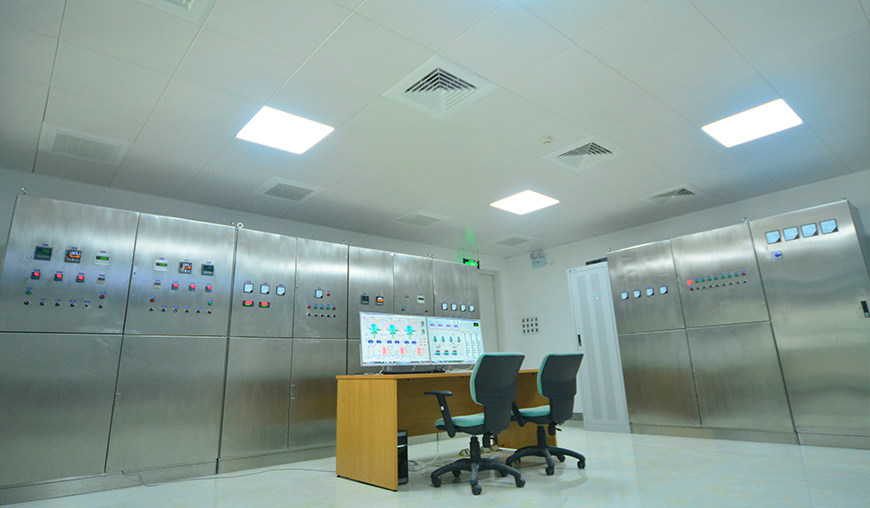
Freeze drying, also known as lyophilization, is a critical preservation and drying technology for
high‑value products in the pharmaceutical and food industries. A modern
freeze dryer (lyophilizer) is a sophisticated piece of process equipment designed to remove water
from sensitive materials while maintaining their structure, activity, flavor, and shelf life.
This guide provides a detailed, SEO‑friendly overview of freeze dryers for pharmaceutical and food applications,
including definitions, working principles, advantages, process steps, specifications, design options, and typical
performance parameters. The content is generic and industry‑wide, with no specific brand or company promotion, and is
suitable for use as a blog article, category page, or industry overview page.
A freeze dryer, or lyophilizer, is a vacuum drying system that removes water or
solvent from a frozen product by sublimation and desorption. The process preserves
the physical structure, nutritional value, and biological activity of the material better than conventional drying
methods that use high temperatures.
In pharmaceutical manufacturing, freeze dryers are used to produce lyophilized injectable drugs,
vaccines, and biologics. In the food industry, they are used to manufacture
freeze dried fruits, instant meals, coffee, and
nutritional ingredients with long shelf life and excellent quality.
| Parameter | Description |
|---|---|
| Drying mechanism | Sublimation of ice under vacuum, followed by desorption of bound water |
| Typical operating pressure | 0.01 to 1.0 mbar (primary drying) |
| Typical shelf temperature range | -60 °C to +80 °C (depending on model and application) |
| Product state | Frozen, then dried directly from solid to vapor phase |
| Main industrial users | Pharmaceutical, biopharmaceutical, biotechnology, food, nutraceuticals, specialty chemicals |
| Key advantages | Excellent stability, long shelf life, low thermal degradation, rapid reconstitution |
Freeze drying is based on the phase behavior of water and other solvents under reduced pressure. When the product is
frozen and the chamber pressure is lowered below the triple point of water, ice can convert directly
to vapor without passing through the liquid phase. This direct phase transition is called sublimation.
A typical pharmaceutical or food freeze dryer follows these fundamental steps:
| Phase | Mechanism | Typical Temperature Range | Typical Pressure Range | Water Removed |
|---|---|---|---|---|
| Freezing | Solidification of water; formation of ice crystals | -40 °C to -80 °C (product dependent) | Atmospheric, then reduced | None (water becomes ice) |
| Primary drying | Sublimation of ice under vacuum | -50 °C to +10 °C (product surface) | 0.01 to 0.5 mbar | 80–95% of total water |
| Secondary drying | Desorption of bound water molecules | +20 °C to +60 C (shelf set‑point can be higher) | 0.001 to 0.1 mbar | Remaining residual moisture (typically < 5%) |
Using a freeze dryer for pharmaceutical and food applications delivers a combination of quality,
stability, and functionality that is difficult to achieve with other drying technologies.
Industrial freeze dryers are widely used across multiple segments in both pharmaceutical and food sectors. Below is a
high‑level overview of typical applications.
| Aspect | Pharmaceutical Applications | Food Applications |
|---|---|---|
| Primary objective | Stability, potency, sterility, precise dosage | Flavor, texture, shelf life, nutritional quality |
| Regulatory framework | GMP, GAMP, pharmacopeias, regulatory agency guidelines | Food safety regulations, HACCP, local and international food standards |
| Equipment design focus | Aseptic design, CIP/SIP, cleanroom integration, PAT tools | High throughput, flexible loading, cost efficiency, cleaning convenience |
| Typical batch size | Liters to thousands of vials per batch | Several hundred kilograms to tons of raw material per batch |
| Common packaging | Glass vials, syringes, cartridges; stoppered under vacuum or inert gas | Pouches, cans, jars, bulk powder packaging, trays |
A modern freeze dryer for pharmaceutical and food applications combines mechanical, thermal, and
control subsystems in one integrated platform. While design varies by capacity and use case, the main components are
similar.
| Component | Function in Freeze Drying | Special Considerations for Pharma | Special Considerations for Food |
|---|---|---|---|
| Drying chamber | Encloses product, maintains vacuum and controlled environment | Stainless steel, electropolished, sanitary design, cleanroom interface | Robust construction, corrosion‑resistant, easy cleaning, large doors |
| Shelves / trays | Support product, transfer heat during freezing and drying | High flatness, uniform temperature, compatibility with vials and loading systems | Adaptable to bulk products, racks, or pans; mechanical strength |
| Condenser | Captures water vapor as ice to maintain low pressure | Cleanable design, sterility considerations, often integrated or separated based on process | High capacity for large moisture loads, energy‑efficient defrost |
| Vacuum pump | Creates and maintains low pressure in chamber | Oil backstreaming control, hygienic vent filters, noise and vibration control | Reliability, handling of possible volatiles, maintenance access |
| Refrigeration unit | Cools shelves and condenser to required low temperatures | Redundancy, refrigerant compliance, precise control | Energy efficiency, capacity to handle high ice loads |
| Control and automation | Cycle programming, data logging, alarms, safety interlocks | 21 CFR Part 11 support, audit trail, recipe management, PAT tools | Simple, intuitive interfaces, production reporting, remote monitoring |
| CIP/SIP systems | Cleaning and sterilization of product contact surfaces | Automated, validated cleaning cycles, steam sterilization at defined conditions | Typically CIP or manual cleaning; SIP usually not required |
Although individual recipes depend on formulation and product geometry, the freeze drying process can
be divided into clearly defined phases. Understanding these steps helps in optimizing cycle time and product quality.
| Stage | Product State | Typical Shelf Temperature | Typical Chamber Pressure | Key Control Targets |
|---|---|---|---|---|
| Loading | Liquid (pharma) or partially processed food | Ambient to +10 °C | Atmospheric | Fill volume accuracy, uniform distribution |
| Freezing | Solid ice | -20 °C to -60 °C (or lower) | Atmospheric then reduced | Complete solidification, crystal structure |
| Primary drying | Ice + dried layer | -40 °C to +5 °C (adjusted by product) | 0.01 to 0.5 mbar | Avoid melt‑back, prevent collapse, maintain sublimation rate |
| Secondary drying | Fully dried solid | +20 °C to +60 °C | 0.001 to 0.1 mbar | Residual moisture, product stability, glass transition temperature margin |
| Unloading | Dry, stable product | Ambient | Atmospheric | Package integrity, environmental protection |
Freeze dryers designed for pharmaceutical and food applications can be categorized in several ways: by scale, loading
method, condenser configuration, or level of automation.
small‑scale samples.
production, and process optimization.
pharmaceutical and food plants.
loading/unloading systems.
chamber or manifold.
integration, and remote monitoring.
| Type | Typical Application | Capacity Range | Key Features |
|---|---|---|---|
| Laboratory freeze dryer | R&D, analytical samples, formulation screening | Up to a few liters of product or several shelves | Flexible configurations, manifold options, wide temperature range, manual operation |
| Pilot freeze dryer | Process development, clinical trials, scale‑up | Tens to hundreds of liters of shelf area | Similar design to production units, CIP/SIP in pharma, data acquisition tools |
| Production pharma freeze dryer | Commercial production of lyophilized injectable drugs and biologics | Hundreds to thousands of vials per batch, or more | GMP compliant design, automatic loading/unloading, aseptic operation, full validation |
| Production food freeze dryer | Large‑scale drying of fruits, vegetables, coffee, meals | Hundreds of kg to several tons per batch | High throughput, robust construction, energy optimization, flexible tray layouts |
Exact specifications of a freeze dryer for pharmaceutical and food applications vary widely depending
on batch size, product type, and process requirements. However, some characteristic ranges and parameters are common.
| Specification | Typical Range for Pharmaceutical Freeze Dryers | Typical Range for Food Freeze Dryers |
|---|---|---|
| Usable shelf area | 1 – 40 m² (laboratory to large production) | 10 – 100+ m² (often larger for bulk products) |
| Shelf temperature range | -60 °C to +80 °C (application dependent) | -40 °C to +80 °C (often narrower depending on process) |
| Condenser capacity | 10 – 500+ kg of ice per batch | 100 – 3,000+ kg of ice per batch |
| Condenser temperature | -40 °C to -85 °C | -35 °C to -70 °C |
| Ultimate vacuum | ≤ 0.01 mbar | ≤ 0.05 mbar (often sufficient for most food products) |
| Refrigeration system | Single or cascade systems, mechanical refrigeration or liquid nitrogen assist | Mechanical refrigeration, sometimes multi‑stage for energy efficiency |
| Materials of construction | Stainless steel (typically 316L for product contact surfaces) | Stainless steel or other food‑grade materials |
| Controls and instrumentation | Advanced PLC/HMI, multiple product probes, pressure gauges, PAT tools | Industrial controller or PLC, temperature and pressure recording, recipe control |
| CIP/SIP capability | Usually required for aseptic pharmaceutical production | Optional CIP; SIP rarely needed except for special cases |
When specifying a freeze dryer, it is common to define:
Designing a pharmaceutical freeze dryer requires strict adherence to good manufacturing practice
(GMP) and aseptic processing requirements. The focus is on sterility, reliability, and full traceability of
manufacturing conditions.
A food freeze dryer emphasizes high throughput, cost‑effective operation, and flexible handling of
different raw materials and product dimensions. Sanitary design and food safety are critical, but sterility
requirements are generally less stringent than in pharmaceuticals.
The quality of freeze dried pharmaceutical and food products is tightly linked to several process performance
parameters. Control of these factors is crucial when designing and operating a freeze dryer.
glass transition temperature of the freeze‑concentrated matrix.
Selecting the right freeze dryer for pharmaceutical and food applications requires matching equipment
capabilities with product, process, and regulatory requirements.
| Application | Recommended Configuration | Notes |
|---|---|---|
| Injectable pharmaceutical vials | GMP production freeze dryer with CIP/SIP, automatic loading, vial stoppering | Focus on aseptic design, data integrity, and validation |
| Biologics and vaccines | High‑performance pharma freeze dryer with extended low‑temperature capability and advanced monitoring | Consider PAT tools and precise temperature control below critical product temperatures |
| Bulk pharmaceutical powders | Bulk freeze dryer with trays, appropriate CIP, controlled atmosphere | Consider powder handling and containment requirements |
| Freeze dried fruits and vegetables | Large‑scale food freeze dryer with multiple shelves or trolleys | High throughput, robust construction, focus on flavor and texture preservation |
| Instant coffee and extracts | Industrial food freeze dryer with optimized cycle for aroma retention | Control of vacuum and temperature for volatile components |
| Pet food and treats | Bulk food freeze dryer, flexible tray system | Balance between cost, texture, and shelf life |
In pharmaceutical freeze drying, compliance with regulatory requirements is a central part of equipment design and
operation. While food applications also require regulatory compliance, the scope and emphasis differ.
Freeze drying is energy‑intensive because it involves deep cooling, vacuum generation, and long cycle times. When
selecting or operating a freeze dryer for pharmaceutical and food applications, it is important to
assess energy efficiency and total cost of ownership.
| Cost Category | Description | Typical Optimization Measures |
|---|---|---|
| Capital investment | Initial purchase and installation cost of the freeze dryer | Right‑sizing equipment, modular expansions, careful specification |
| Energy consumption | Electricity and utilities for refrigeration, vacuum, heating, and auxiliaries | Cycle optimization, energy‑efficient components, heat recovery |
| Maintenance | Spare parts, service activities, and downtime | Preventive maintenance programs, robust equipment selection |
| Labor | Operators, engineers, quality and validation personnel | Automation, training, well‑designed user interfaces |
| Quality and compliance | Validation activities, documentation, audits | Standardized protocols, integrated data management |
Proper maintenance and operation of a freeze dryer for pharmaceutical and food applications ensure
consistent product quality, minimize downtime, and extend equipment life.
Freeze drying removes water by sublimation at low temperature and low pressure, whereas conventional drying uses
evaporation at higher temperatures. As a result, freeze drying better preserves heat‑sensitive pharmaceuticals
and food products, maintains structure and activity, and often results in faster and more complete
reconstitution.
Many biologics, vaccines, and injectable drugs are unstable in liquid form at room temperature.
Freeze dryers enable conversion of these products into stable, dry formulations that can be stored and transported at
ambient or refrigerated conditions, with rapid reconstitution before administration.
Freeze dryers allow production of high‑quality freeze dried foods that retain most of their natural
color, flavor, texture, and nutritional profile. This is important for premium snacks, instant meals, coffee, and
specialty ingredients where quality is a key selling point.
Cycle length depends on product type, thickness, and equipment, but industrial freeze drying cycles commonly range
from 8 to 48 hours or more. Pharmaceutical cycles for injectable vials may take 20–40 hours, whereas
large food batches with thick pieces may require longer times.
In practice, the strict GMP and aseptic requirements of pharmaceutical freeze drying usually make it
impractical to use the same equipment for food processing. Equipment is typically dedicated either to pharmaceutical
or to food use to avoid cross‑contamination and regulatory complexity.
Product quality is controlled through:
A freeze dryer for pharmaceutical and food applications is a highly specialized system that enables
gentle drying of sensitive materials under carefully controlled conditions. By combining low temperatures with
vacuum‑induced sublimation, freeze dryers produce stable, high‑quality products with extended shelf life and excellent
functional properties.
Understanding the principles, benefits, key specifications, and design considerations of industrial
freeze dryers helps manufacturers in both pharmaceutical and food industries to select suitable equipment, design robust
processes, and produce premium freeze dried products that meet the highest quality and regulatory standards.
```
Este sitio web utiliza cookies para garantizar que obtenga la mejor experiencia en nuestro sitio web.
 English
 Pусский
 Français
 العربية



 Whatsapp
 Teléfono
Comentario
(0)